The mocktail vs cocktail question has a one-word answer: alcohol. A cocktail is built on a spirit; a mocktail delivers the same craft, balance, and presentation with none of it, and most of what people argue about beyond that is detail.
Detail is still worth understanding, because it changes how you order. People ask what is the difference between cocktail and mocktail more than almost any other bar question, so this guide settles it properly, then shows where each option shines, including beside a sweet course at the best dessert place in Dubai.
What Makes a Cocktail a Cocktail
A cocktail is a mixed drink built on an alcoholic base, then shaped with modifiers: citrus, syrups, bitters, sodas, and garnish. Classics like the mojito and the margarita are really formulas, each balancing strength, sweetness, and acidity in fixed ratios.
Technique does the heavy lifting. Shaking chills and aerates, stirring keeps things silky, and dilution from ice is a planned ingredient rather than an accident. Ice deserves respect in both glasses, in fact: it chills, dilutes, and paces the drink, and a well-iced glass outlasts a badly iced one every time.
What Makes a Mocktail More Than Juice
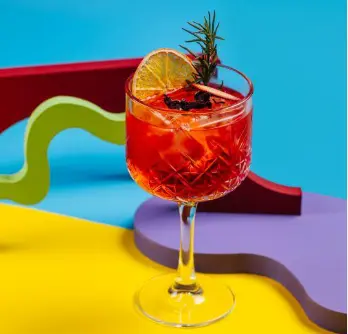
A mocktail borrows every one of those tools and removes the spirit. The good ones rebuild the missing structure with layered ingredients: fresh citrus for bite, syrups and shrubs for depth, herbs and spice for aroma, and texture from foam or soda.
That is why a proper mocktail costs a bartender the same effort as a cocktail. Juice is an ingredient; a mocktail is a recipe.
A Short History of Both Glasses
Cocktails grew up in nineteenth-century America, moved through Prohibition speakeasies, and came out the other side as a global craft. Mocktails ran decades behind as an afterthought for designated drivers, and only in the past decade did the category get its own recipes, its own ingredients, and its own respect.
That lag explains the lingering reputation gap, and it explains why the gap is closing so fast: the same bartenders now build both lists, and pride travels. The word mocktail itself only settled onto menus in recent decades, and some bars prefer zero-proof or spirit-free precisely because nothing about the drinks is mock.
Mocktail vs Cocktail, Side by Side
Put them next to each other, and the cocktail and mocktail difference comes down to the base. One starts with a spirit and manages its burn; the other starts with a flavor idea and builds the body it needs from scratch.
The mocktail and cocktail difference shows up most in strength and pacing. A spirited drink asks you to slow down; its zero-proof twin lets you order rounds all evening and stay sharp for the drive home.
Framed that way, the cocktail vs mocktail debate stops being a contest. They are two answers to different questions: what do I want to taste, and how do I want to feel afterward.
Search “what is cocktail and mocktail,” and you will find definitions that overcomplicate it. Keep the one-word answer from the top of this page, and you already know more than most menus assume.
The Anatomy of a Balanced Drink
Every good drink, spirited or not, balances four levers: body, sweetness, acidity, and aroma. Cocktails get body from the spirit; mocktails borrow it from texture, temperature, and concentration, which is why the best ones use fresh-pressed juice and house syrup instead of cordial from a gun.
Read a menu with those four levers in mind and the descriptions start making sense. Bright means acid-forward, rich means body, dry means sweetness held back, and aromatic means the nose does half the work. Once you can name the lever you want moved- sweeter, drier, brighter- any bartender can adjust the glass in one round.
The Craft Caught Up
The industry has noticed the shift. IWSR, the drinks-market research house, reported no-alcohol volumes growing about 9 percent in 2025, with 36 percent growth forecast between 2024 and 2029 (IWSR press release).
Growth on that scale pulls real craft into the category: dedicated zero-proof spirits, distilled and blended to stand in for gin, aperitifs, and dark bases, plus house syrups and menus that treat the section seriously. When people frame the difference between cocktail and mocktail as a downgrade, the market is now the counterargument. Menus reflect it too: zero-proof sections have moved from the back page to the front, with their own names and their own pride of place.
Ordering Each One Well
For cocktails, name the direction: something bitter and stirred, or bright and citrusy. For mocktails, order the same way; a good bar treats sweet, sour, herbal, and smoky as a compass that works with or without alcohol. At a busy bar, specificity in plain words is kindness: name a flavor direction and a texture, and you will get a better drink than any amount of menu squinting produces.
Swaps are fair game too. Most classics have a zero-proof translation, and asking for one is normal now rather than a special request. Taste a well-made pair back to back, and the difference between mocktail and cocktail feels less like a wall and more like a dial.
Make-at-Home Basics
Home experiments teach the difference faster than any definition. Start with a citrus base, add a syrup you can control, lengthen with soda, and garnish like you mean it; the result will beat most shop-bought alternatives on the first try. Salt is the sleeper ingredient, since a pinch wakes fruit up the same way it wakes food.
Two starter recipes: muddled mint, lime, sugar, and soda for a virgin mojito, or pineapple, coconut, and lime over crushed ice for a no-rum colada. Both take five minutes and neither needs equipment beyond a glass and a spoon. Scale either recipe up in a jug for hosting, and taste as you go, since balance drifts when quantities grow.
Where Trove Stands
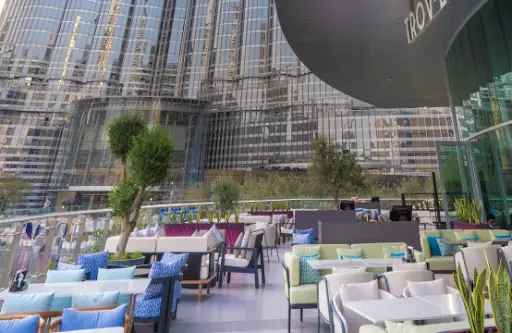
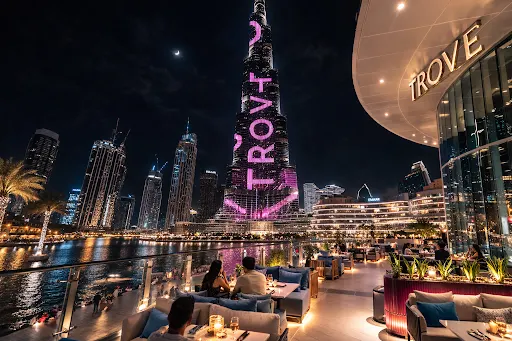
Trove’s beverage list in The Dubai Mall is led by its mocktail program: signature mocktails and mojitos, fruit-filled smoothies, fresh juices, locally roasted coffee, and infused teas, poured beside fountain views. Seasonal specials rotate through the list as fruit comes and goes, so ask before defaulting to a favorite. If your evening depends on a specific drinks list, check the live menu before booking; what is certain is that the zero-proof side here is the headline rather than the afterthought.
That suits the way the venue is used. Long shisha sessions, family tables, and romantic dinner plans in Dubai all run on drinks you can order for hours, and the menu was built around exactly that.
Who Should Order Which
Order mocktails when you are driving, fasting, pregnant, hosting mixed company, or simply pacing a long evening; order the classic version when the ritual of the original is the point and your setting serves it. Neither choice needs defending in 2026, and mixed tables are the real test: order by taste rather than category, and nobody needs to know which glass is which. Hosts, take note: a stocked zero-proof option is the difference between guests who linger and guests who watch the clock.
New to zero-proof menus? Start with a virgin mojito or a citrus-forward house signature; both show off the craft without asking you to squint for it.
Pairing Notes for the Sweet-Toothed
Zero-proof drinks are kinder to food than strong spirits, which bulldoze delicate flavors. Bright, acidic mocktails cut through rich desserts, herbal ones flatter fruit plates, and creamy blends can stand in for dessert entirely. Shisha pairing follows the same contrast rule, with citrus and mint freshening a sweet session while creamy blends sit better beside darker, earthier smoke.
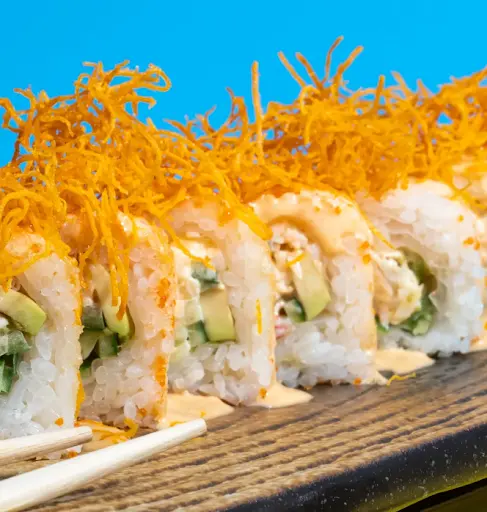
The same logic covers savory plates. If you are working through sushi types for the first time, a crisp citrus mocktail is the friendliest thing you can put beside raw fish.
Raise the Right Glass
Pick the glass that fits your evening and let the menu prove the craft either way. Book through SevenRooms or call +971 4 347 7444. You can also message +971 50 881 3415 on WhatsApp, email social@troverestaurant.com, or tell us the flavors your table leans toward, and the team will take it from there.