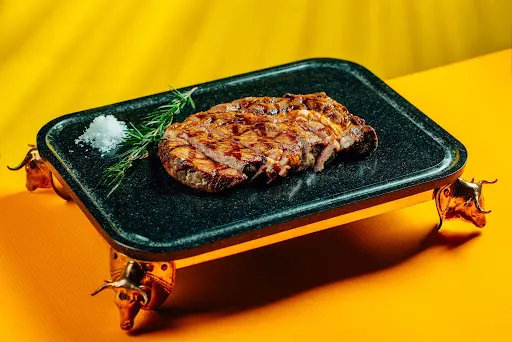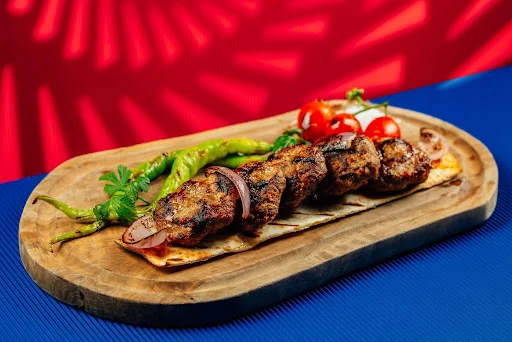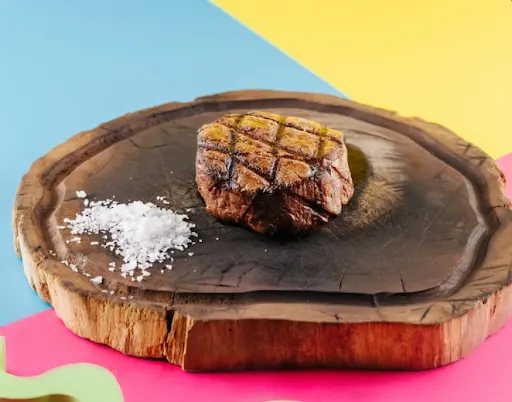
Ordering a steak can feel like a test you never studied for. Steak cooking levels are simply a scale of how far the heat has travelled into the meat, from a cool red centre to no pink at all. Learn them once, and you can cook a better steak at home and order with confidence when you eat out.
This guide covers each level, how to check it and which cuts suit which level, from lean fillet to the chargrilled wagyu in Dubai at Trove.
Last updated: October 2026
Steak Cooking Levels at a Glance
Most kitchens work with six levels of steak cooking. The temperatures below are internal readings at the thickest part of the steak, and kitchens differ by a degree or two.
• Blue: about 45°C, seared outside and cool inside.
• Rare: 50°C to 52°C, with a cool red centre.
• Medium rare: 55°C to 57°C, with a warm red centre.
• Medium: 60°C to 63°C, with a pink centre.
• Medium well: 65°C to 68°C, with a trace of pink.
• Well done: 70°C and above, with no pink left.
Take the steak off the heat about 3°C before your target, because it keeps cooking as it rests. A thick steak can climb further, so pull it a little earlier still.
Each Level Explained
Each of the steak cooking levels changes the colour, the texture, and how juicy the steak feels. Here is what to expect on the plate.
Blue and Rare
A blue steak is seared hard on the outside and barely warm inside. A rare steak goes a little further, with a cool, deep red centre and very soft meat. Both suit lean, tender cuts such as fillet, where there is little fat that needs time to soften.
Medium Rare
Medium rare is warm all the way through, with a red centre and a browned crust. Many chefs recommend it for marbled cuts, because the fat starts to soften while the meat stays tender. It is often the level a server suggests when you are unsure.
Medium
A medium steak has a pink centre and feels firmer when pressed. It loses a little more juice than medium rare but still eats well. It is a good middle ground when one person at the table is undecided.
Medium Well
Medium well leaves only a trace of pink in the middle. The texture is firmer, and the steak is less juicy. Thicker cuts handle this level better than thin ones, which can dry out quickly.
Well Done
A well-done steak is cooked through, with no pink left. It is the firmest and driest of the steak levels, so a good crust and a sauce help. At home, cook it gently over lower heat after the sear, which keeps it from turning tough.
How to Check Doneness Without Cutting the Steak
Cutting into a steak to check it lets the juice run out. There are better ways to tell how far it has cooked.
• Use an instant-read thermometer in the thickest part, away from bone and fat.
• Press the centre with a finger: soft means rare, springy means medium, and firm means well done.
• Draw the probe out slowly and read the lowest number, which is the true centre.
A thermometer is the most reliable of the three. The touch test takes practice, but it gets easier with every steak you cook.
Why Resting Matters
Resting gives the juice time to settle back into the meat. Rest a typical steak for about five minutes, or roughly half its cooking time, on a warm plate rather than a cold board.
Skip the rest, and the first cut floods the board with juice. At Trove, larger cuts rest before they reach your table for exactly this reason.
Which Level Suits Which Cut
The right level depends on how much fat the cut carries. Lean cuts dry out fast, while marbled cuts need a little heat to soften.
• Fillet and tenderloin: blue to medium rare.
• Ribeye and striploin: medium rare to medium.
• Wagyu and other heavily marbled beef: medium rare, so the fat softens without melting away.
• Thin cuts and minute steaks: rare to medium, cooked fast.
These pairings are a guide, not a rule. Your own taste comes first, and a good kitchen will cook any cut the way you ask.
Steak Levels and Food Safety in a Dubai Summer
A thermometer is also a safety tool. A Gulf News report from August 2026 advises using one to check that meat reaches a safe internal temperature, and says cooked food should not sit out for more than two hours, or one hour when it is hotter than 33°C.
That last figure matters here. On a Dubai terrace in summer, a leftover steak can pass the one-hour mark before dessert arrives, so get it into the fridge quickly. Minced beef, as in burgers, is usually cooked through rather than served rare.
How to Order Steak at a Restaurant
Ordering steak is easier when you know the language. Name the level you want, and say whether you prefer the rarer or the more cooked side of it.
Sharing a steak? Agree on one level first, or ask for it sliced so the edges and the centre suit different tastes. At Trove, our kitchen cooks every steak to order on the chargrill, from rare to well done. The team asks how you like it before the meat goes on. Prefer it in a bun? Read about the best burger in Dubai from the same grill.
Who This Guide Suits
This guide is for anyone who wants to order or cook steak with more confidence. It helps most if you are new to steak, cooking for guests, or trying a richer cut for the first time.
It is less useful for slow-cooked dishes, such as braises, where the meat is meant to cook well past these levels. For those, follow the recipe rather than a doneness chart.
Find Your Level, Then Order It
Getting the levels of steak right comes down to three things: heat, time, and rest. Learn those, and every steak you order or cook will land closer to what you want.
To try your level, our grill team on Fashion Avenue cooks every steak to order, and our list of the best restaurants in Dubai Mall shows where else to eat nearby. You can view the Trove grill menu before you visit, call +971 4 347 7444, or email social@troverestaurant.com. If you have a question about your booking, contact us and the team will help.